Will Hearing Aids Make Me Look Old?
Will Hearing Aids Make Me Look Old?
Will Hearing Aids Make Me Look Old?
Will Hearing Aids Make Me Look Old?
You might feel a sense of hesitation when considering hearing aids for the first time. It is a common concern that wearing a device in your ear will somehow signal to the world that you are aging.
This apprehension often stems from outdated imagery and memories of older generations wearing bulky, flesh-colored plastic units that whistled or sat prominently behind the ear. For decades, those large devices were the only option available, and they became a visual shorthand for growing older.
At Utah Ear Institute, we understand that you want to feel like yourself, and the idea of a medical device changing your appearance can be daunting.
It is important to acknowledge that these feelings are valid. However, the stigma you might be picturing is based on technology that has not been the industry standard for many years.
Today, the perception of hearing loss is shifting, yet the old ghosts of clunky hardware still haunt the back of many people's minds. You can rest assured that the reality of modern audiology is vastly different from the stereotypes of the past.
What Modern Hearing Aids Actually Look Like
Technology has advanced at an incredible pace, shrinking powerful components into tiny, sleek packages. When you explore advanced hearing technology today, you will find options that are designed to be virtually invisible.
There are invisible-in-canal models that sit deep within the ear canal, making them completely hidden from view. Other popular styles, like receiver-in-canal devices, use wires thinner than a strand of hair and housings that tuck neatly behind the ear, often camouflaged by your hair or skin tone.
You benefit from designs that prioritize both performance and aesthetics. Many of these devices look more like high-end consumer electronics or stylish earbuds than traditional medical equipment.
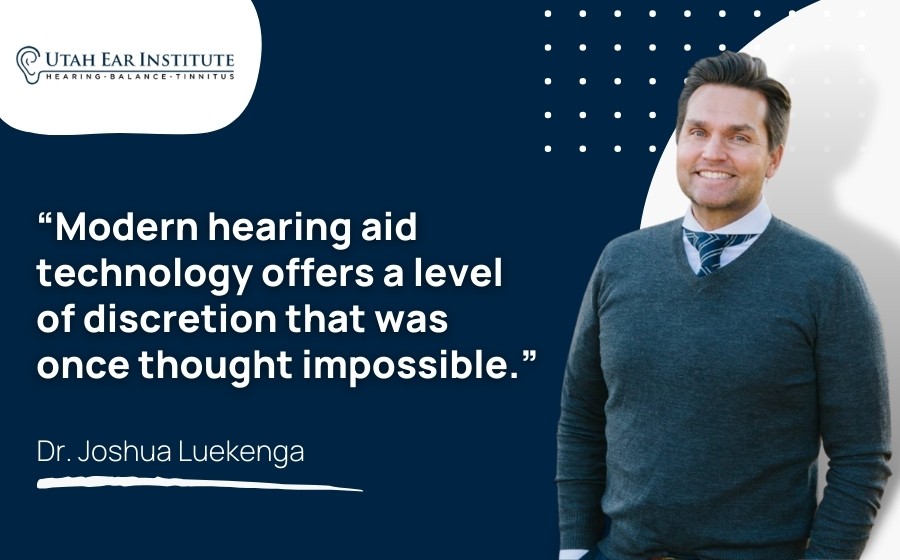
In fact, many people find that their friends and family do not even notice they are wearing them during daily interactions. Discretion is now a core feature of the manufacturing process.
Because the electronics are so small, you have the freedom to choose a style that fits your personal comfort level without sacrificing sound quality. Your appearance and your need for subtlety are always part of the selection process when you work with a professional.
The Real Cost of Untreated Hearing Loss
While you might worry about the look of a device, it is worth considering the visible signs of untreated hearing loss. When you struggle to hear, it often manifests in ways that are far more noticeable than a small hearing aid.
You might find yourself constantly asking others to repeat themselves or leaning in uncomfortably close to catch a sentence. Sometimes, people withdraw from social circles because the effort of following a conversation in a noisy restaurant becomes too exhausting.
This social withdrawal can unintentionally make you appear more disconnected or older than you actually are. You benefit from clear communication because it allows you to remain the life of the party and stay engaged with your loved ones.
Missing out on the punchline of a joke or failing to hear a question can lead to misunderstandings that affect your confidence. When you prioritize your hearing health, you are choosing to stay present. The ability to participate effortlessly in a conversation is what truly maintains your youthful energy and connection to the world around you.
Hearing Loss, Social Connection, and Brain Health
Recent scientific research has highlighted a critical link between our ears and our cognitive function. You might be surprised to learn that untreated hearing loss is one of the most significant modifiable risk factors for developing dementia.
When the brain does not receive clear signals from the ears, it has to work much harder to decode sounds. This increased "cognitive load" can take a toll over time. Furthermore, if you stop socializing because you cannot hear, your brain loses the vital stimulation that comes from human interaction.
A major study published in The Lancet explores how addressing hearing loss can potentially slow down cognitive decline. By using hearing aids, you keep your brain's auditory processing centers active and healthy.
Protecting your hearing is about much more than just volume; it is about preserving your long-term quality of life and mental sharpness. You can feel confident knowing that wearing a discreet device is a proactive step toward maintaining your independence and brain health for years to come.
How Utah Ear Institute Helps You Choose the Right Technology
Navigating the world of audiology is much easier when you have an expert guide by your side. At Utah Ear Institute, our primary goal is to match technology to your specific lifestyle and cosmetic preferences.
When you meet our team of dedicated professionals, you will receive personalized recommendations that take your daily activities into account. Whether you are an avid hiker, a frequent traveler, or someone who enjoys quiet evenings at home, we ensure your devices work for you.
You have access to advanced features like Bluetooth connectivity, which allows you to stream phone calls and music directly to your ears. This integration makes the technology feel like a seamless part of your digital life.
Success in hearing health comes from a combination of the right device and consistent, professional care. We provide ongoing support to ensure your settings are perfect, and your comfort is maximized. If you are curious about your current hearing levels, you can start by undergoing comprehensive hearing assessments to establish a baseline for your care.
Focus on Living Fully, Not Looking Different
Choosing to address your hearing is an act of confidence. It shows that you value your relationships and your health enough to seek the best tools available.
You do not have to let an old-fashioned fear of looking different hold you back from the sounds of your grandchildren's voices or the music you love. There is no pressure when you visit us; we are here to provide the information and guidance you need to make an informed choice.
By visiting Utah Ear Institute, you are taking a proactive step toward a more connected life. We invite you to see for yourself how tiny and sophisticated today's solutions really are.
You can find out why patients choose us for their long-term hearing wellness by scheduling a consultation. Contact us today to explore modern, discreet solutions that will help you stay exactly who you are.
FAQs
Will other people be able to tell I am wearing hearing aids in public? In most cases, the answer is no. Modern designs are incredibly small and are often tucked away in the ear canal or behind the ear fold. Unless someone is specifically looking for a device, they are unlikely to notice it. Many users find that their friends are surprised to learn they are wearing hearing technology because it is so well-integrated into their daily look.
I am worried that hearing aids will be uncomfortable to wear all day. Is that true? Today’s devices are custom-fitted or use soft, medical-grade materials designed for long-term wear. Because they are so lightweight, most people forget they have them in after just a few minutes. During your fitting process, we ensure the physical fit is perfect so you can enjoy improved hearing without any physical irritation or pressure.
Can hearing aids really help prevent memory loss or cognitive decline? While hearing aids are not a "cure" for dementia, research shows that they significantly reduce the risks associated with it. By providing the brain with the stimulation it needs and reducing the effort required to hear, you help maintain your cognitive reserve. Staying socially active, which is much easier with hearing aids, is also a key factor in keeping your mind sharp as you age.
Sources
This peer-reviewed medical journal provides extensive research on the link between hearing loss, social isolation, and the prevention of dementia.
An official government resource offering detailed information on how hearing aids improve quality of life and the different types of technology available today.
Request a Callback
Search
Will Hearing Aids Make Me Look Old?
You might feel a sense of hesitation when considering hearing aids for the first time. It is a common concern that wearing a device in your ear will somehow signal to the world that you are aging.
This apprehension often stems from outdated imagery and memories of older generations wearing bulky, flesh-colored plastic units that whistled or sat prominently behind the ear. For decades, those large devices were the only option available, and they became a visual shorthand for growing older.
At Utah Ear Institute, we understand that you want to feel like yourself, and the idea of a medical device changing your appearance can be daunting.
It is important to acknowledge that these feelings are valid. However, the stigma you might be picturing is based on technology that has not been the industry standard for many years.
Today, the perception of hearing loss is shifting, yet the old ghosts of clunky hardware still haunt the back of many people's minds. You can rest assured that the reality of modern audiology is vastly different from the stereotypes of the past.
What Modern Hearing Aids Actually Look Like
Technology has advanced at an incredible pace, shrinking powerful components into tiny, sleek packages. When you explore advanced hearing technology today, you will find options that are designed to be virtually invisible.
There are invisible-in-canal models that sit deep within the ear canal, making them completely hidden from view. Other popular styles, like receiver-in-canal devices, use wires thinner than a strand of hair and housings that tuck neatly behind the ear, often camouflaged by your hair or skin tone.
You benefit from designs that prioritize both performance and aesthetics. Many of these devices look more like high-end consumer electronics or stylish earbuds than traditional medical equipment.
In fact, many people find that their friends and family do not even notice they are wearing them during daily interactions. Discretion is now a core feature of the manufacturing process.
Because the electronics are so small, you have the freedom to choose a style that fits your personal comfort level without sacrificing sound quality. Your appearance and your need for subtlety are always part of the selection process when you work with a professional.
The Real Cost of Untreated Hearing Loss
While you might worry about the look of a device, it is worth considering the visible signs of untreated hearing loss. When you struggle to hear, it often manifests in ways that are far more noticeable than a small hearing aid.
You might find yourself constantly asking others to repeat themselves or leaning in uncomfortably close to catch a sentence. Sometimes, people withdraw from social circles because the effort of following a conversation in a noisy restaurant becomes too exhausting.
This social withdrawal can unintentionally make you appear more disconnected or older than you actually are. You benefit from clear communication because it allows you to remain the life of the party and stay engaged with your loved ones.
Missing out on the punchline of a joke or failing to hear a question can lead to misunderstandings that affect your confidence. When you prioritize your hearing health, you are choosing to stay present. The ability to participate effortlessly in a conversation is what truly maintains your youthful energy and connection to the world around you.
Hearing Loss, Social Connection, and Brain Health
Recent scientific research has highlighted a critical link between our ears and our cognitive function. You might be surprised to learn that untreated hearing loss is one of the most significant modifiable risk factors for developing dementia.
When the brain does not receive clear signals from the ears, it has to work much harder to decode sounds. This increased "cognitive load" can take a toll over time. Furthermore, if you stop socializing because you cannot hear, your brain loses the vital stimulation that comes from human interaction.
A major study published in The Lancet explores how addressing hearing loss can potentially slow down cognitive decline. By using hearing aids, you keep your brain's auditory processing centers active and healthy.
Protecting your hearing is about much more than just volume; it is about preserving your long-term quality of life and mental sharpness. You can feel confident knowing that wearing a discreet device is a proactive step toward maintaining your independence and brain health for years to come.
How Utah Ear Institute Helps You Choose the Right Technology
Navigating the world of audiology is much easier when you have an expert guide by your side. At Utah Ear Institute, our primary goal is to match technology to your specific lifestyle and cosmetic preferences.
When you meet our team of dedicated professionals, you will receive personalized recommendations that take your daily activities into account. Whether you are an avid hiker, a frequent traveler, or someone who enjoys quiet evenings at home, we ensure your devices work for you.
You have access to advanced features like Bluetooth connectivity, which allows you to stream phone calls and music directly to your ears. This integration makes the technology feel like a seamless part of your digital life.
Success in hearing health comes from a combination of the right device and consistent, professional care. We provide ongoing support to ensure your settings are perfect, and your comfort is maximized. If you are curious about your current hearing levels, you can start by undergoing comprehensive hearing assessments to establish a baseline for your care.
Focus on Living Fully, Not Looking Different
Choosing to address your hearing is an act of confidence. It shows that you value your relationships and your health enough to seek the best tools available.
You do not have to let an old-fashioned fear of looking different hold you back from the sounds of your grandchildren's voices or the music you love. There is no pressure when you visit us; we are here to provide the information and guidance you need to make an informed choice.
By visiting Utah Ear Institute, you are taking a proactive step toward a more connected life. We invite you to see for yourself how tiny and sophisticated today's solutions really are.
You can find out why patients choose us for their long-term hearing wellness by scheduling a consultation. Contact us today to explore modern, discreet solutions that will help you stay exactly who you are.
FAQs
Will other people be able to tell I am wearing hearing aids in public? In most cases, the answer is no. Modern designs are incredibly small and are often tucked away in the ear canal or behind the ear fold. Unless someone is specifically looking for a device, they are unlikely to notice it. Many users find that their friends are surprised to learn they are wearing hearing technology because it is so well-integrated into their daily look.
I am worried that hearing aids will be uncomfortable to wear all day. Is that true? Today’s devices are custom-fitted or use soft, medical-grade materials designed for long-term wear. Because they are so lightweight, most people forget they have them in after just a few minutes. During your fitting process, we ensure the physical fit is perfect so you can enjoy improved hearing without any physical irritation or pressure.
Can hearing aids really help prevent memory loss or cognitive decline? While hearing aids are not a "cure" for dementia, research shows that they significantly reduce the risks associated with it. By providing the brain with the stimulation it needs and reducing the effort required to hear, you help maintain your cognitive reserve. Staying socially active, which is much easier with hearing aids, is also a key factor in keeping your mind sharp as you age.
Sources
This peer-reviewed medical journal provides extensive research on the link between hearing loss, social isolation, and the prevention of dementia.
An official government resource offering detailed information on how hearing aids improve quality of life and the different types of technology available today.
Request a Callback
Search
Will Hearing Aids Make Me Look Old?
You might feel a sense of hesitation when considering hearing aids for the first time. It is a common concern that wearing a device in your ear will somehow signal to the world that you are aging.
This apprehension often stems from outdated imagery and memories of older generations wearing bulky, flesh-colored plastic units that whistled or sat prominently behind the ear. For decades, those large devices were the only option available, and they became a visual shorthand for growing older.
At Utah Ear Institute, we understand that you want to feel like yourself, and the idea of a medical device changing your appearance can be daunting.
It is important to acknowledge that these feelings are valid. However, the stigma you might be picturing is based on technology that has not been the industry standard for many years.
Today, the perception of hearing loss is shifting, yet the old ghosts of clunky hardware still haunt the back of many people's minds. You can rest assured that the reality of modern audiology is vastly different from the stereotypes of the past.
What Modern Hearing Aids Actually Look Like
Technology has advanced at an incredible pace, shrinking powerful components into tiny, sleek packages. When you explore advanced hearing technology today, you will find options that are designed to be virtually invisible.
There are invisible-in-canal models that sit deep within the ear canal, making them completely hidden from view. Other popular styles, like receiver-in-canal devices, use wires thinner than a strand of hair and housings that tuck neatly behind the ear, often camouflaged by your hair or skin tone.
You benefit from designs that prioritize both performance and aesthetics. Many of these devices look more like high-end consumer electronics or stylish earbuds than traditional medical equipment.
In fact, many people find that their friends and family do not even notice they are wearing them during daily interactions. Discretion is now a core feature of the manufacturing process.
Because the electronics are so small, you have the freedom to choose a style that fits your personal comfort level without sacrificing sound quality. Your appearance and your need for subtlety are always part of the selection process when you work with a professional.
The Real Cost of Untreated Hearing Loss
While you might worry about the look of a device, it is worth considering the visible signs of untreated hearing loss. When you struggle to hear, it often manifests in ways that are far more noticeable than a small hearing aid.
You might find yourself constantly asking others to repeat themselves or leaning in uncomfortably close to catch a sentence. Sometimes, people withdraw from social circles because the effort of following a conversation in a noisy restaurant becomes too exhausting.
This social withdrawal can unintentionally make you appear more disconnected or older than you actually are. You benefit from clear communication because it allows you to remain the life of the party and stay engaged with your loved ones.
Missing out on the punchline of a joke or failing to hear a question can lead to misunderstandings that affect your confidence. When you prioritize your hearing health, you are choosing to stay present. The ability to participate effortlessly in a conversation is what truly maintains your youthful energy and connection to the world around you.
Hearing Loss, Social Connection, and Brain Health
Recent scientific research has highlighted a critical link between our ears and our cognitive function. You might be surprised to learn that untreated hearing loss is one of the most significant modifiable risk factors for developing dementia.
When the brain does not receive clear signals from the ears, it has to work much harder to decode sounds. This increased "cognitive load" can take a toll over time. Furthermore, if you stop socializing because you cannot hear, your brain loses the vital stimulation that comes from human interaction.
A major study published in The Lancet explores how addressing hearing loss can potentially slow down cognitive decline. By using hearing aids, you keep your brain's auditory processing centers active and healthy.
Protecting your hearing is about much more than just volume; it is about preserving your long-term quality of life and mental sharpness. You can feel confident knowing that wearing a discreet device is a proactive step toward maintaining your independence and brain health for years to come.
How Utah Ear Institute Helps You Choose the Right Technology
Navigating the world of audiology is much easier when you have an expert guide by your side. At Utah Ear Institute, our primary goal is to match technology to your specific lifestyle and cosmetic preferences.
When you meet our team of dedicated professionals, you will receive personalized recommendations that take your daily activities into account. Whether you are an avid hiker, a frequent traveler, or someone who enjoys quiet evenings at home, we ensure your devices work for you.
You have access to advanced features like Bluetooth connectivity, which allows you to stream phone calls and music directly to your ears. This integration makes the technology feel like a seamless part of your digital life.
Success in hearing health comes from a combination of the right device and consistent, professional care. We provide ongoing support to ensure your settings are perfect, and your comfort is maximized. If you are curious about your current hearing levels, you can start by undergoing comprehensive hearing assessments to establish a baseline for your care.
Focus on Living Fully, Not Looking Different
Choosing to address your hearing is an act of confidence. It shows that you value your relationships and your health enough to seek the best tools available.
You do not have to let an old-fashioned fear of looking different hold you back from the sounds of your grandchildren's voices or the music you love. There is no pressure when you visit us; we are here to provide the information and guidance you need to make an informed choice.
By visiting Utah Ear Institute, you are taking a proactive step toward a more connected life. We invite you to see for yourself how tiny and sophisticated today's solutions really are.
You can find out why patients choose us for their long-term hearing wellness by scheduling a consultation. Contact us today to explore modern, discreet solutions that will help you stay exactly who you are.
FAQs
Will other people be able to tell I am wearing hearing aids in public? In most cases, the answer is no. Modern designs are incredibly small and are often tucked away in the ear canal or behind the ear fold. Unless someone is specifically looking for a device, they are unlikely to notice it. Many users find that their friends are surprised to learn they are wearing hearing technology because it is so well-integrated into their daily look.
I am worried that hearing aids will be uncomfortable to wear all day. Is that true? Today’s devices are custom-fitted or use soft, medical-grade materials designed for long-term wear. Because they are so lightweight, most people forget they have them in after just a few minutes. During your fitting process, we ensure the physical fit is perfect so you can enjoy improved hearing without any physical irritation or pressure.
Can hearing aids really help prevent memory loss or cognitive decline? While hearing aids are not a "cure" for dementia, research shows that they significantly reduce the risks associated with it. By providing the brain with the stimulation it needs and reducing the effort required to hear, you help maintain your cognitive reserve. Staying socially active, which is much easier with hearing aids, is also a key factor in keeping your mind sharp as you age.
Sources
This peer-reviewed medical journal provides extensive research on the link between hearing loss, social isolation, and the prevention of dementia.
An official government resource offering detailed information on how hearing aids improve quality of life and the different types of technology available today.
Request a Callback
Search
Ask Dr. Josh
Our latest hearing health articles, resources & blogs
Cherrill's Story: Taking Action On Your Hearing in Utah
Hearing loss is often gradual. Learn from one of our patient's stories and see why taking action on your hearing health is a critical step.

What the Latest WHO Guidance Means for Your Hearing
Learn how new WHO guidelines link hearing health to dementia risk. Utah Ear Institute explains how to protect your cognitive health.

Robyn’s Hearing Health Journey: Rediscovering Hearing After Illness
Hearing changes don’t always give you a fair warning.
Ask Dr. Josh
Our latest hearing health articles, resources & blogs
Cherrill's Story: Taking Action On Your Hearing in Utah
Hearing loss is often gradual. Learn from one of our patient's stories and see why taking action on your hearing health is a critical step.
What the Latest WHO Guidance Means for Your Hearing
Learn how new WHO guidelines link hearing health to dementia risk. Utah Ear Institute explains how to protect your cognitive health.
Robyn’s Hearing Health Journey: Rediscovering Hearing After Illness
Hearing changes don’t always give you a fair warning.
Ask Dr. Josh
Our latest hearing health articles, resources & blogs
Cherrill's Story: Taking Action On Your Hearing in Utah
Hearing loss is often gradual. Learn from one of our patient's stories and see why taking action on your hearing health is a critical step.
What the Latest WHO Guidance Means for Your Hearing
Learn how new WHO guidelines link hearing health to dementia risk. Utah Ear Institute explains how to protect your cognitive health.
Robyn’s Hearing Health Journey: Rediscovering Hearing After Illness
Hearing changes don’t always give you a fair warning.