Cherrill's Story: Taking Action On Your Hearing in Utah
Cherrill's Story: Taking Action On Your Hearing in Utah
Cherrill's Story: Taking Action On Your Hearing in Utah
Cherrill's Story: Taking Action On Your Hearing in Utah
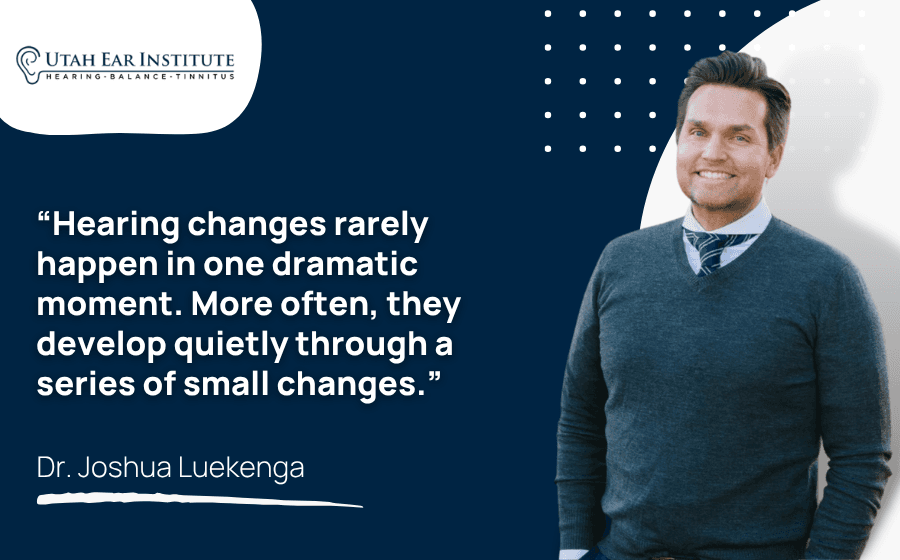
Hearing changes rarely happen in one dramatic moment. More often, they develop quietly through a series of small changes: missing a word during a family dinner, turning the television up a little louder, or asking people to repeat themselves more often.
For Cherrill, one of our patients, that gradual shift was exactly how it happened. There wasn’t one specific moment when she realized her hearing had changed. Instead, as she put it, it was “a series of them.”
Recognizing that your hearing may be changing can feel unsettling, especially if you’re unsure about what to expect from hearing care. Cherrill had her own reservations, but her experience shows how addressing those changes can have a meaningful impact on your everyday life.
October is National Protect Your Hearing Month, making it a natural time to pay attention to the small signs you may have been overlooking. If you’ve noticed a gradual change in your hearing, let Cherrill’s story offer the encouragement you need to have it checked.
Moving Past Misconceptions: Why Doubts Shouldn’t Stop You
Even after recognizing that her hearing was changing, Cherrill still had reservations about hearing aids.
“I really didn’t think hearing aids would work for me," she admitted.
That hesitation is understandable, especially if your idea of hearing aids is based on older technology that was bulky, prone to whistling, or difficult to use. Today’s prescription hearing aids are far more advanced, with discreet designs and technology intended to deliver clearer, more natural sound.
Finding the right solution starts with understanding your hearing and the situations where you’re having the most difficulty, which is where a comprehensive hearing assessment comes in. By looking closely at your hearing profile, we can recommend technology that fits your specific needs and lifestyle.
The Difference Personalized Care Makes
Walking into an audiology clinic for the first time can feel intimidating, especially when you’re unsure what to expect. At Utah Ear Institute, our goal is to make that experience comfortable and informative, giving you the space to ask questions and feel confident in your care.
Cherrill told us she appreciated having “a very caring and patient doctor who answered all my questions and encouraged me to try [hearing aids].”
Your hearing evaluation should give you the opportunity to talk openly about your concerns, understand what’s happening with your hearing, and explore your options without feeling rushed or pressured. We take the time to listen to what you’re experiencing and consider how your hearing affects your daily life.
From there, we can work together to find an approach that fits your needs and feels right for you. Our team provides the expertise and support, while you remain in control of the decisions about your hearing care.
The Real-World Reward: Rediscovering Cherished Connections
For Cherrill, finding a hearing solution that worked for her made a meaningful difference in her everyday life.
“My life is so improved, and I can hear most things again,” she shared.
Better hearing can help you follow the nuances in a loved one’s voice, feel more confident in social settings, and reconnect with the everyday sounds you may not have realized you were missing.
Cherrill also shared a realistic perspective on the results: “Sometimes a whisper is difficult, but my grandchildren are now heard by me.” That’s what successful hearing care can look like: not perfect hearing in every situation, but greater access to the people and moments that matter most to you.
Why October Is the Perfect Time to Take the First Step
If you’re on the fence, Cherrill’s advice is straightforward: “Just go there and give it a try. Be patient with yourself and them while you find the right settings.”
She rates her experience with Utah Ear Institute a 10/10. Her story is a good reminder that finding the right fit doesn’t always happen in a single appointment; it can take some time to get comfortable with your hearing aids and fine-tune them to work well for you.
Utah Ear Institute is here to support you through that process, from your initial fitting to follow-up visits and adjustments.
This National Protect Your Hearing Month, don’t let uncertainty keep you from finding out what better hearing could mean for you. Contact our team today to schedule an appointment or request a callback.
Frequently Asked Questions (FAQs)
Q: Why can gradual hearing challenges be difficult to notice?
A: Hearing often changes gradually, and this gives your brain time to adapt and use context to fill in what you may be missing. Perhaps you are watching faces more closely, or avoiding situations where hearing feels difficult, without realizing these are ways you’re compensating for changes in your hearing.
Q: Will hearing aids restore my hearing to normal?
A: Hearing aids can’t recreate natural hearing or make every listening situation effortless, but they can make it easier to access speech and other important sounds based on your individual hearing needs. The goal is to help you communicate more comfortably and participate more fully in everyday life, even though some listening environments may still present challenges.
Q: Why might my hearing aids need several adjustments?
A: Your initial programming will be based on your assessment results, but real-world experience provides additional information. As you wear the devices at home, in restaurants, and around family, you may notice situations that need refinement.
Follow-up visits allow your hearing health expert to adjust the sound and physical fit as you become accustomed to hearing more.
Source:
Request a Callback
Search
Cherrill's Story: Taking Action On Your Hearing in Utah
Hearing changes rarely happen in one dramatic moment. More often, they develop quietly through a series of small changes: missing a word during a family dinner, turning the television up a little louder, or asking people to repeat themselves more often.
For Cherrill, one of our patients, that gradual shift was exactly how it happened. There wasn’t one specific moment when she realized her hearing had changed. Instead, as she put it, it was “a series of them.”
Recognizing that your hearing may be changing can feel unsettling, especially if you’re unsure about what to expect from hearing care. Cherrill had her own reservations, but her experience shows how addressing those changes can have a meaningful impact on your everyday life.
October is National Protect Your Hearing Month, making it a natural time to pay attention to the small signs you may have been overlooking. If you’ve noticed a gradual change in your hearing, let Cherrill’s story offer the encouragement you need to have it checked.
Moving Past Misconceptions: Why Doubts Shouldn’t Stop You
Even after recognizing that her hearing was changing, Cherrill still had reservations about hearing aids.
“I really didn’t think hearing aids would work for me," she admitted.
That hesitation is understandable, especially if your idea of hearing aids is based on older technology that was bulky, prone to whistling, or difficult to use. Today’s prescription hearing aids are far more advanced, with discreet designs and technology intended to deliver clearer, more natural sound.
Finding the right solution starts with understanding your hearing and the situations where you’re having the most difficulty, which is where a comprehensive hearing assessment comes in. By looking closely at your hearing profile, we can recommend technology that fits your specific needs and lifestyle.
The Difference Personalized Care Makes
Walking into an audiology clinic for the first time can feel intimidating, especially when you’re unsure what to expect. At Utah Ear Institute, our goal is to make that experience comfortable and informative, giving you the space to ask questions and feel confident in your care.
Cherrill told us she appreciated having “a very caring and patient doctor who answered all my questions and encouraged me to try [hearing aids].”
Your hearing evaluation should give you the opportunity to talk openly about your concerns, understand what’s happening with your hearing, and explore your options without feeling rushed or pressured. We take the time to listen to what you’re experiencing and consider how your hearing affects your daily life.
From there, we can work together to find an approach that fits your needs and feels right for you. Our team provides the expertise and support, while you remain in control of the decisions about your hearing care.
The Real-World Reward: Rediscovering Cherished Connections
For Cherrill, finding a hearing solution that worked for her made a meaningful difference in her everyday life.
“My life is so improved, and I can hear most things again,” she shared.
Better hearing can help you follow the nuances in a loved one’s voice, feel more confident in social settings, and reconnect with the everyday sounds you may not have realized you were missing.
Cherrill also shared a realistic perspective on the results: “Sometimes a whisper is difficult, but my grandchildren are now heard by me.” That’s what successful hearing care can look like: not perfect hearing in every situation, but greater access to the people and moments that matter most to you.
Why October Is the Perfect Time to Take the First Step
If you’re on the fence, Cherrill’s advice is straightforward: “Just go there and give it a try. Be patient with yourself and them while you find the right settings.”
She rates her experience with Utah Ear Institute a 10/10. Her story is a good reminder that finding the right fit doesn’t always happen in a single appointment; it can take some time to get comfortable with your hearing aids and fine-tune them to work well for you.
Utah Ear Institute is here to support you through that process, from your initial fitting to follow-up visits and adjustments.
This National Protect Your Hearing Month, don’t let uncertainty keep you from finding out what better hearing could mean for you. Contact our team today to schedule an appointment or request a callback.
Frequently Asked Questions (FAQs)
Q: Why can gradual hearing challenges be difficult to notice?
A: Hearing often changes gradually, and this gives your brain time to adapt and use context to fill in what you may be missing. Perhaps you are watching faces more closely, or avoiding situations where hearing feels difficult, without realizing these are ways you’re compensating for changes in your hearing.
Q: Will hearing aids restore my hearing to normal?
A: Hearing aids can’t recreate natural hearing or make every listening situation effortless, but they can make it easier to access speech and other important sounds based on your individual hearing needs. The goal is to help you communicate more comfortably and participate more fully in everyday life, even though some listening environments may still present challenges.
Q: Why might my hearing aids need several adjustments?
A: Your initial programming will be based on your assessment results, but real-world experience provides additional information. As you wear the devices at home, in restaurants, and around family, you may notice situations that need refinement.
Follow-up visits allow your hearing health expert to adjust the sound and physical fit as you become accustomed to hearing more.
Source:
Request a Callback
Search
Cherrill's Story: Taking Action On Your Hearing in Utah
Hearing changes rarely happen in one dramatic moment. More often, they develop quietly through a series of small changes: missing a word during a family dinner, turning the television up a little louder, or asking people to repeat themselves more often.
For Cherrill, one of our patients, that gradual shift was exactly how it happened. There wasn’t one specific moment when she realized her hearing had changed. Instead, as she put it, it was “a series of them.”
Recognizing that your hearing may be changing can feel unsettling, especially if you’re unsure about what to expect from hearing care. Cherrill had her own reservations, but her experience shows how addressing those changes can have a meaningful impact on your everyday life.
October is National Protect Your Hearing Month, making it a natural time to pay attention to the small signs you may have been overlooking. If you’ve noticed a gradual change in your hearing, let Cherrill’s story offer the encouragement you need to have it checked.
Moving Past Misconceptions: Why Doubts Shouldn’t Stop You
Even after recognizing that her hearing was changing, Cherrill still had reservations about hearing aids.
“I really didn’t think hearing aids would work for me," she admitted.
That hesitation is understandable, especially if your idea of hearing aids is based on older technology that was bulky, prone to whistling, or difficult to use. Today’s prescription hearing aids are far more advanced, with discreet designs and technology intended to deliver clearer, more natural sound.
Finding the right solution starts with understanding your hearing and the situations where you’re having the most difficulty, which is where a comprehensive hearing assessment comes in. By looking closely at your hearing profile, we can recommend technology that fits your specific needs and lifestyle.
The Difference Personalized Care Makes
Walking into an audiology clinic for the first time can feel intimidating, especially when you’re unsure what to expect. At Utah Ear Institute, our goal is to make that experience comfortable and informative, giving you the space to ask questions and feel confident in your care.
Cherrill told us she appreciated having “a very caring and patient doctor who answered all my questions and encouraged me to try [hearing aids].”
Your hearing evaluation should give you the opportunity to talk openly about your concerns, understand what’s happening with your hearing, and explore your options without feeling rushed or pressured. We take the time to listen to what you’re experiencing and consider how your hearing affects your daily life.
From there, we can work together to find an approach that fits your needs and feels right for you. Our team provides the expertise and support, while you remain in control of the decisions about your hearing care.
The Real-World Reward: Rediscovering Cherished Connections
For Cherrill, finding a hearing solution that worked for her made a meaningful difference in her everyday life.
“My life is so improved, and I can hear most things again,” she shared.
Better hearing can help you follow the nuances in a loved one’s voice, feel more confident in social settings, and reconnect with the everyday sounds you may not have realized you were missing.
Cherrill also shared a realistic perspective on the results: “Sometimes a whisper is difficult, but my grandchildren are now heard by me.” That’s what successful hearing care can look like: not perfect hearing in every situation, but greater access to the people and moments that matter most to you.
Why October Is the Perfect Time to Take the First Step
If you’re on the fence, Cherrill’s advice is straightforward: “Just go there and give it a try. Be patient with yourself and them while you find the right settings.”
She rates her experience with Utah Ear Institute a 10/10. Her story is a good reminder that finding the right fit doesn’t always happen in a single appointment; it can take some time to get comfortable with your hearing aids and fine-tune them to work well for you.
Utah Ear Institute is here to support you through that process, from your initial fitting to follow-up visits and adjustments.
This National Protect Your Hearing Month, don’t let uncertainty keep you from finding out what better hearing could mean for you. Contact our team today to schedule an appointment or request a callback.
Frequently Asked Questions (FAQs)
Q: Why can gradual hearing challenges be difficult to notice?
A: Hearing often changes gradually, and this gives your brain time to adapt and use context to fill in what you may be missing. Perhaps you are watching faces more closely, or avoiding situations where hearing feels difficult, without realizing these are ways you’re compensating for changes in your hearing.
Q: Will hearing aids restore my hearing to normal?
A: Hearing aids can’t recreate natural hearing or make every listening situation effortless, but they can make it easier to access speech and other important sounds based on your individual hearing needs. The goal is to help you communicate more comfortably and participate more fully in everyday life, even though some listening environments may still present challenges.
Q: Why might my hearing aids need several adjustments?
A: Your initial programming will be based on your assessment results, but real-world experience provides additional information. As you wear the devices at home, in restaurants, and around family, you may notice situations that need refinement.
Follow-up visits allow your hearing health expert to adjust the sound and physical fit as you become accustomed to hearing more.
Source:
Request a Callback
Search
Ask Dr. Josh
Our latest hearing health articles, resources & blogs
Cherrill's Story: Taking Action On Your Hearing in Utah
Hearing loss is often gradual. Learn from one of our patient's stories and see why taking action on your hearing health is a critical step.

What the Latest WHO Guidance Means for Your Hearing
Learn how new WHO guidelines link hearing health to dementia risk. Utah Ear Institute explains how to protect your cognitive health.

Robyn’s Hearing Health Journey: Rediscovering Hearing After Illness
Hearing changes don’t always give you a fair warning.
Ask Dr. Josh
Our latest hearing health articles, resources & blogs
Cherrill's Story: Taking Action On Your Hearing in Utah
Hearing loss is often gradual. Learn from one of our patient's stories and see why taking action on your hearing health is a critical step.
What the Latest WHO Guidance Means for Your Hearing
Learn how new WHO guidelines link hearing health to dementia risk. Utah Ear Institute explains how to protect your cognitive health.
Robyn’s Hearing Health Journey: Rediscovering Hearing After Illness
Hearing changes don’t always give you a fair warning.
Ask Dr. Josh
Our latest hearing health articles, resources & blogs
Cherrill's Story: Taking Action On Your Hearing in Utah
Hearing loss is often gradual. Learn from one of our patient's stories and see why taking action on your hearing health is a critical step.
What the Latest WHO Guidance Means for Your Hearing
Learn how new WHO guidelines link hearing health to dementia risk. Utah Ear Institute explains how to protect your cognitive health.
Robyn’s Hearing Health Journey: Rediscovering Hearing After Illness
Hearing changes don’t always give you a fair warning.